Derbyshire Tiling Specialists logo

TILE GUIDE · DERBY & DERBYSHIRE

Types of tiles

Understand which tiles will be best for your project, from ceramic and porcelain to natural stone, glass and mosaic, before our Derby tilers fit them for you.

  • Part of Derbyshire Specialists Group
  • £10m public liability insurance
  • Floor and wall tiles
  • Tiles you've already bought fitted
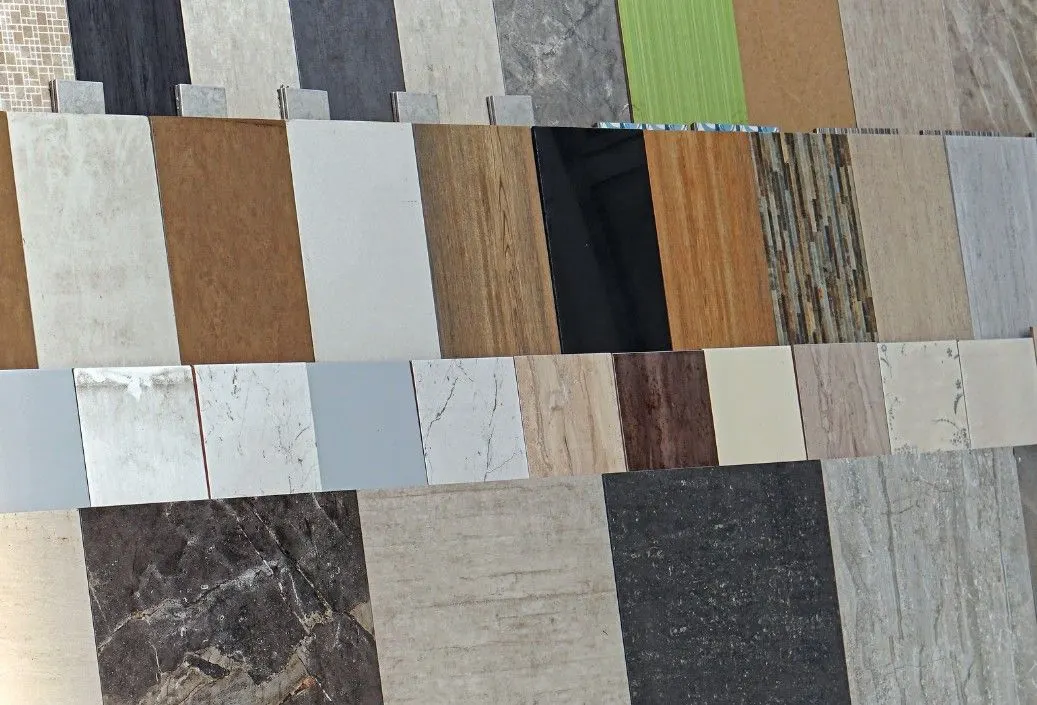
Rows of wall and floor tile samples in stone, wood-effect, marble and coloured finishes
0% APR finance available, subject to status

Types of floor and wall tiles explained

When it comes to home renovation and interior design, tiles play a crucial role in both looks and practicality. But there are hundreds to choose from for floors and walls, each with its own material, design and style considerations.

It can be tempting to choose purely on how a tile looks, but it is worth understanding the features and benefits of each type, and whether it will suit where you want it to go in the long term.

We are happy to fit tiles you have already bought, but the guarantee on the tiles themselves will be with the supplier you chose.

Generally there shouldn't be any major issues, as tile shops clearly separate tiles suitable for floors, for walls and for both. The most likely problem is choosing designated wall tiles for a floor, so please don't be tempted, however much you like the design, as they are unlikely to keep their looks.

Tiles we fit

  • Ceramic and porcelain
  • Natural stone, from slate to marble
  • Glass and mosaic
  • Vinyl tiles and LVT
  • Cement and metal tiles

Tile costs per square metre

The tile you choose has the biggest effect on the cost of a job. These typical installed prices come from our guide to tiling costs in Derby:

Tile typeTypical cost installed
Ceramic tiles£20–£40 per m²
Porcelain tiles£30–£60 per m²
Natural stone tiles£50–£100+ per m²
Mosaic and decorative tiles£70–£120 per m²

Natural stone also needs specialist sealing, typically £5–£10 per m². Send us photos and your chosen tiles for a fixed quote.

Tiles

Floor and wall tiles are a popular choice for homes and businesses because of their durability, versatility and looks. With so many materials, styles and finishes available, choosing the right tiles, or the wrong ones, can make a big difference to how a space looks, how well it works and how long your wall or floor lasts. To help with your decision, here is an overview of the main tile options and their pros and cons, whether you are a DIY enthusiast or using a professional tiler.

1. Ceramic tiles

Made from natural clay fired at high temperatures, in a wide variety of colours, patterns and finishes, so they suit both floors and walls.

Pros

  • Generally more affordable than other tiles, so budget friendly.
  • Resistant to scratches, stains and moisture, so suitable for busy areas and wet rooms like bathrooms and kitchens.
  • Easy to clean, with minimal maintenance.
  • A huge range of colours, patterns and finishes, including stone and wood effects.

Cons

  • Can be brittle, and may chip or crack if something heavy is dropped on them.
  • Can feel cold underfoot.
  • Glazed ceramic tiles can be slippery when wet.

2. Porcelain tiles

A type of ceramic tile made from finer clay and fired at higher temperatures, giving a denser, more durable tile.

Pros

  • Highly durable and hard-wearing, for indoor and outdoor use. Porcelain patios are becoming very popular in landscaping projects.
  • Very low water absorption, ideal for bathrooms and kitchens.
  • Available in a wide range of styles, including stone, wood and concrete effects.
  • Like ceramic, easy to clean and maintain.

Cons

  • Generally more expensive than ceramic tiles.
  • Heavier than ceramic, which may need extra structural support.
  • Harder to cut and install because of their density.

3. Natural stone tiles

Made from stone such as marble, granite, limestone, slate and travertine, each with its own character and appearance.

Pros

  • A unique, luxurious look that synthetic materials can't replicate.
  • Highly durable, lasting decades with proper care.
  • Every stone has its own colour variations, patterns and textures.
  • Can add value to a property thanks to its premium appearance.

Cons

  • Among the most expensive tile options.
  • Needs regular sealing to prevent staining and moisture absorption.
  • Some stones, like limestone and marble, are porous and stain if not properly sealed.
  • Heavy, and may need extra structural support.

4. Glass tiles

Available in a variety of colours, finishes and sizes, and most often used on walls, particularly in kitchens and bathrooms.

Pros

  • A modern, sleek look that reflects light and creates a sense of space.
  • Non-porous and highly water resistant, ideal for wet areas.
  • Easy to clean and resistant to mould and mildew.
  • A wide range of colours, finishes and sizes, including metallic and iridescent effects.

Cons

  • Can chip or crack if struck by something heavy.
  • Can be more expensive than ceramic or porcelain.
  • Harder to install, because they are see-through and need a perfectly smooth substrate.

Porcelain tiles near me

If you live in Derby or further afield in Derbyshire, we bring our tiling service to you. So if you are looking for porcelain, ceramic or new floor tiles fitted near you, we're ideal.

Tile types

5. Mosaic tiles

Small tiles, typically under 5 cm (2 inches), arranged in patterns or designs, in ceramic, porcelain, glass or natural stone.

Pros

  • Endless design possibilities, including intricate patterns, borders and accents.
  • Suit floors and walls, including curved surfaces.
  • Depending on the material, highly durable and hard-wearing.
  • The grout lines add grip, making them suitable for wet areas.

Cons

  • Time-consuming to install because of their small size and the precision needed.
  • The many grout lines can be hard to keep clean and may need regular grout care.
  • Depending on the material and design, can cost more than larger tiles.

6. Vinyl tiles

Made from synthetic materials in a wide range of colours, patterns and textures, and popular in homes and businesses. Our floor tilers also lay luxury vinyl tiles (LVT).

Pros

  • One of the most cost-effective flooring options.
  • Softer and warmer underfoot than ceramic or stone.
  • Highly water resistant, suitable for bathrooms and kitchens.
  • Easy to install, often with a peel-and-stick or click-lock system.

Cons

  • Less durable than ceramic or stone, and can scratch and dent.
  • Can mimic natural materials but may not look as premium.
  • Synthetic, so may not be as environmentally friendly as natural options.

7. Cement tiles

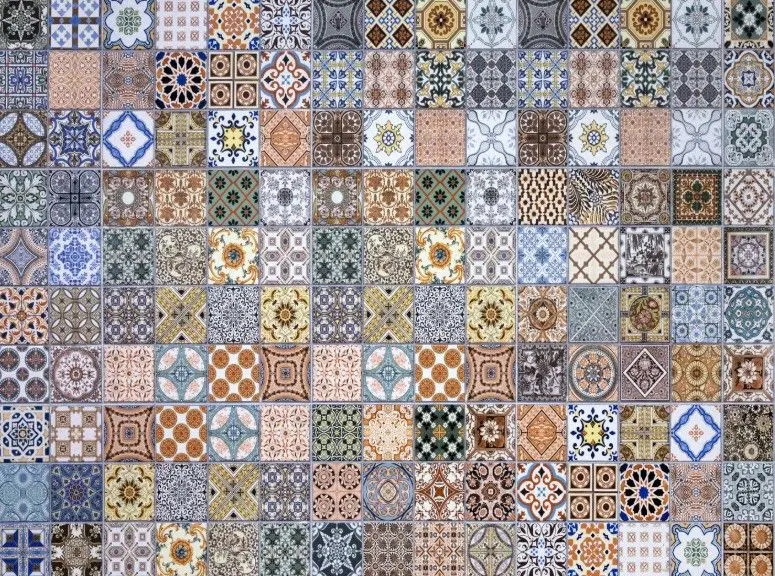
Also known as encaustic tiles, made from a mix of cement, sand and pigments, and known for vibrant colours and intricate patterns.

Pros

  • A unique, artistic look, with custom designs and patterns possible.
  • Highly durable, lasting decades with proper care.
  • Made from natural materials.

Cons

  • Porous, so need regular sealing to prevent staining and moisture absorption.
  • More maintenance than other tiles, including careful cleaning.
  • Can cost more than ceramic or porcelain, especially custom designs.

8. Metal tiles

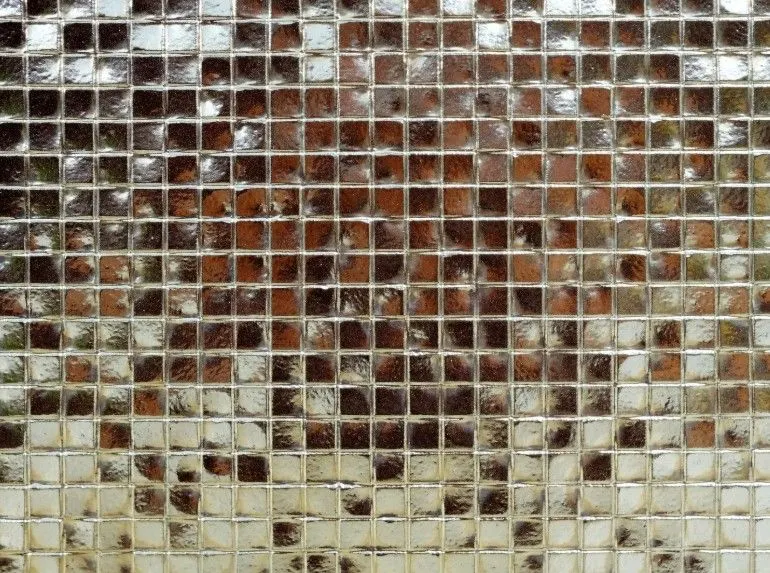
Made from stainless steel, aluminium or copper, and often used as accent tiles in kitchens and bathrooms, especially commercial kitchens. Metallic-finish tiles, such as copper or brushed gold, are ceramic tiles with a metal-look finish that add glamour to kitchen splashbacks, and high-gloss metallic finishes reflect light to make small bathrooms feel brighter and more spacious.

Pros

  • A modern, industrial look with striking visual impact.
  • Highly durable and hard-wearing, suitable for busy areas.
  • Easy to clean and resistant to mould and mildew.

Cons

  • Can be more expensive than other tiles.
  • Can scratch, which may affect their look over time.
  • Can feel cold to the touch.

As you can see, choosing the right floor or wall tile depends on several factors. Probably the most important is how and where they will be used, especially in a commercial or business setting. Then look at your budget before choosing the look you want from what's left. Ceramic and porcelain are popular for their affordability and durability, while natural stone offers a luxurious, unique look. Glass and mosaic give design flexibility, and vinyl is a cost-effective, comfortable option. Cement and metal tiles look unique but may need more maintenance. Weighing up the pros and cons of each will help you choose tiles that suit your needs and look good for the long term.
Tile ideas

Alternatives to tiles

For walls in moisture-prone areas like bathrooms and kitchens, most people choose traditional ceramic or porcelain tiles, often large ones in a bathroom to keep visible grout to a minimum. But there are alternatives that work well and can lift the look of a space. Two notable ones are shower panels and beadboard, each with its own pros and cons compared with traditional wall tiles.

Shower panels

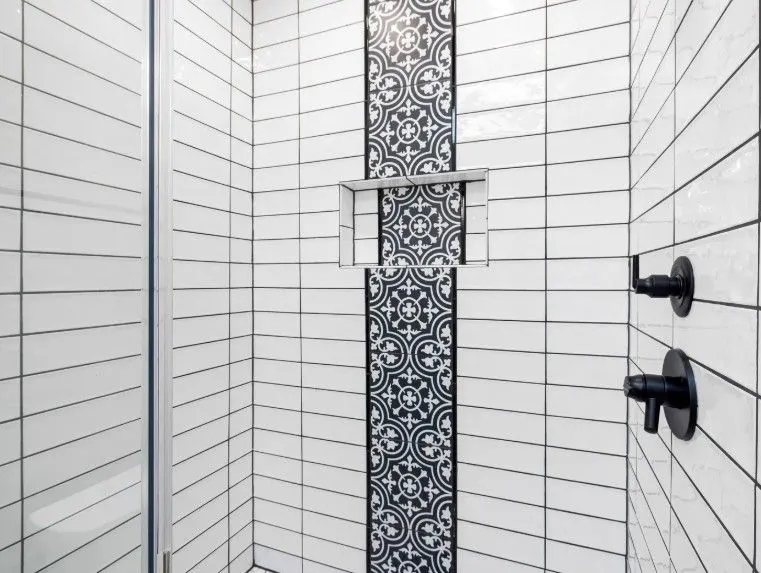
Shower panels are a modern alternative to tiling a shower enclosure. Made from large sheets of acrylic, fibreglass or laminate, they give a seamless look with no grout lines, a common place for mould and mildew to grow.
  • Easy installation: no precise cutting and careful placement, often just adhesive and screws, which can save time and labour costs.
  • Low maintenance: the seamless surface is very easy to clean, with no grout to scrub.
  • Variety of designs: a wide range of colours and patterns, including stone and wood effects.
  • Durability: depending on the material, some panels are less durable than ceramic tiles; acrylic can scratch if not handled with care.
  • Heat sensitivity: some materials don't cope with high temperatures as well as tiles, so they suit some locations less well.
Walk-in shower with white metro wall tiles, a patterned feature strip and a recessed niche
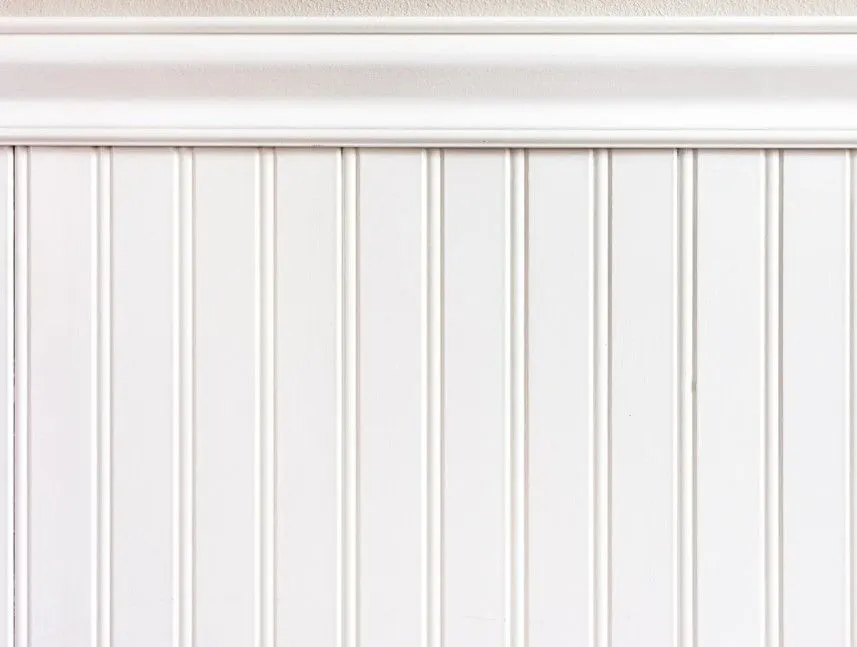
White painted beadboard panelling with a moulded dado rail

Beadboard

Beadboard is another popular alternative, particularly in rustic or cottage-style interiors. Typically made from wood or a composite, beadboard panels add a charming finish to kitchens, bathrooms and living areas.

  • Character: the distinctive grooves add warmth and a traditional, inviting feel, perfect for coastal or country-style decor.
  • Customisable: it can be painted or stained to match your decor, and simply repainted when tastes change.
  • Insulation: wood beadboard offers some insulation.
  • Moisture damage: it isn't as moisture resistant as tiles or shower panels, and in humid rooms poor sealing can lead to warping or mould.
  • Maintenance: it generally needs more upkeep than tiles, with regular sealing and protective coatings.

Compared with traditional wall tiles

Wall tiles have long been favoured for their durability, water resistance and ease of cleaning. They cope with high moisture and are less prone to water damage. Compared with shower panels, tiles mean more grout maintenance over the years, although cheaper panels may need replacing sooner.

Beadboard adds warmth and charm but is associated with period or more dated properties, though it can feel contemporary when combined well with other wall finishes and colours. It is a poor choice for high-moisture areas without proper care and sealing.

Whichever option you choose, our tilers at Derbyshire Tiling Specialists can install all of them, so that's one less decision to make.

Indoor tile questions

Our attention to detail and knowledge of tiles mean you get a quality finish every time. We understand the importance of applying adhesives and grout properly to protect plasterboard walls from moisture and give a long-lasting finish, and we have the right tools to fit tiles around obstacles such as pipes and door frames so they look as natural as possible. Tiling is often part of a wider renovation such as a new kitchen or bathroom, and as part of Derbyshire Specialists Group we can provide a complete turnkey solution that keeps everything simple for you: one company to deal with, one invoice, one guarantee.

Combine regular maintenance with occasional deep cleaning. Sweep or vacuum first to remove loose dirt, which can scratch the surface. For regular cleaning, use warm water with a few drops of mild detergent or a pH-balanced tile cleaner, applied with a mop or soft cloth. For deeper cleaning, especially stains or mildew, use equal parts water and white vinegar with a sponge or soft-bristled brush to gently scrub the grout and tiles. Rinse thoroughly with clean water to avoid residue or streaks, and dry with a clean towel or microfibre cloth to prevent water spots. Avoid harsh chemicals or abrasive tools, which can damage the ceramic finish.

Clean grout regularly with a mixture of baking soda and water or a commercial grout cleaner. For stubborn stains, a paste of hydrogen peroxide and baking soda can be effective. Dry the grout thoroughly after cleaning, as moisture encourages mould, and apply a grout sealer to protect it from moisture and stains and make future cleaning easier. In mould-prone rooms like bathrooms, good ventilation helps reduce humidity. Another option is a darker grout: depending on the tile colour it can become a feature of your wall or floor, and while it doesn't stop dirt and mould building up, they will be less visible. For a deep clean and seal, see our grout cleaning service.

Balance looks, practicality, durability and budget. Start with the needs of each room: bathrooms and kitchens need moisture-resistant tiles, while in living rooms and bedrooms you can put style first. Then consider the style and colour scheme of your home so it all works together. Think about tile size and shape too, as larger tiles can make small spaces feel bigger while smaller ones add texture and detail. Porcelain and ceramic are popular for their durability and easy maintenance, while natural stone offers a unique, upscale look. Lastly, balance cost and quality to find the most suitable option. Our tilers can talk you through the best options.

As a guide, installed tiles typically cost £20–£40 per m² for ceramic, £30–£60 for porcelain, £50–£100 or more for natural stone, and £70–£120 for mosaic and decorative tiles. Natural stone also needs specialist sealing, typically £5–£10 per m².

Where we fit them

Walls, floors, showers and wet rooms.

Splashbacks, walls and kitchen floors.

Porcelain, stone and LVT floors laid properly.

Stone, patterned and 3D tiles as a focal point.

Broken and cracked tiles repaired or replaced.

Keep any tile looking its best.

Get a tiling quote

Send photos of the area and the tiles you like, and we'll come back with a clear quote within 24 business hours. Finance is available on larger projects.

Business Hours

Mon - Sat7:30 am – 6:00 pm
SunClosed

© 2026 All Rights Reserved | Derbyshire Tiling Specialists - part of Derbyshire Specialists Group

Derbyshire Tiling Specialists: Locations Served

Derbyshire Specialists Group Ltd is an Introducer Appointed Representative of Ideal Sales Solutions Ltd, t/a Ideal4Finance. Ideal Sales Solutions Ltd is a credit broker and not a lender (FRN 703401). Finance available subject to status. The rate offered is always provisional and will depend upon your personal circumstances, the loan amount and the term.

Part of Derbyshire Specialists Group since 2022 · £10m public liability insurance through Derbyshire Specialists Group · Find us on Google · Privacy and cookie policy